Marina District Seller Tips: What Buyers Notice First
June 25, 2026
June 25, 2026
If you are preparing to sell in the Marina, one question matters more than ever: what do today’s buyers notice first, and what makes them hesitate? In a neighborhood known for handsome period homes, bay proximity, and a fast-moving luxury market, buyers tend to look past surface charm very quickly. They are paying close attention to light, layout, condition, and the confidence a home inspires from the moment they see it online to the moment they walk through the door. Let’s dive in.
The Marina District has a distinct appeal that continues to draw strong interest. San Francisco Planning notes the neighborhood’s cohesive 1920s and 1930s residential character, along with its bay views, park access, and proximity to downtown and the commercial district. Many homes sit on standard 25- or 30-foot lots, which means buyers are often comparing how well each property uses space rather than just comparing raw size.
The pace of the market adds another layer of scrutiny. Redfin describes the Marina District as a highly competitive neighborhood market, with a median sale price of about $2.95 million and an average of 12 days on market for the three months ending May 2026. In a market like that, buyers move quickly, but they also notice details quickly.
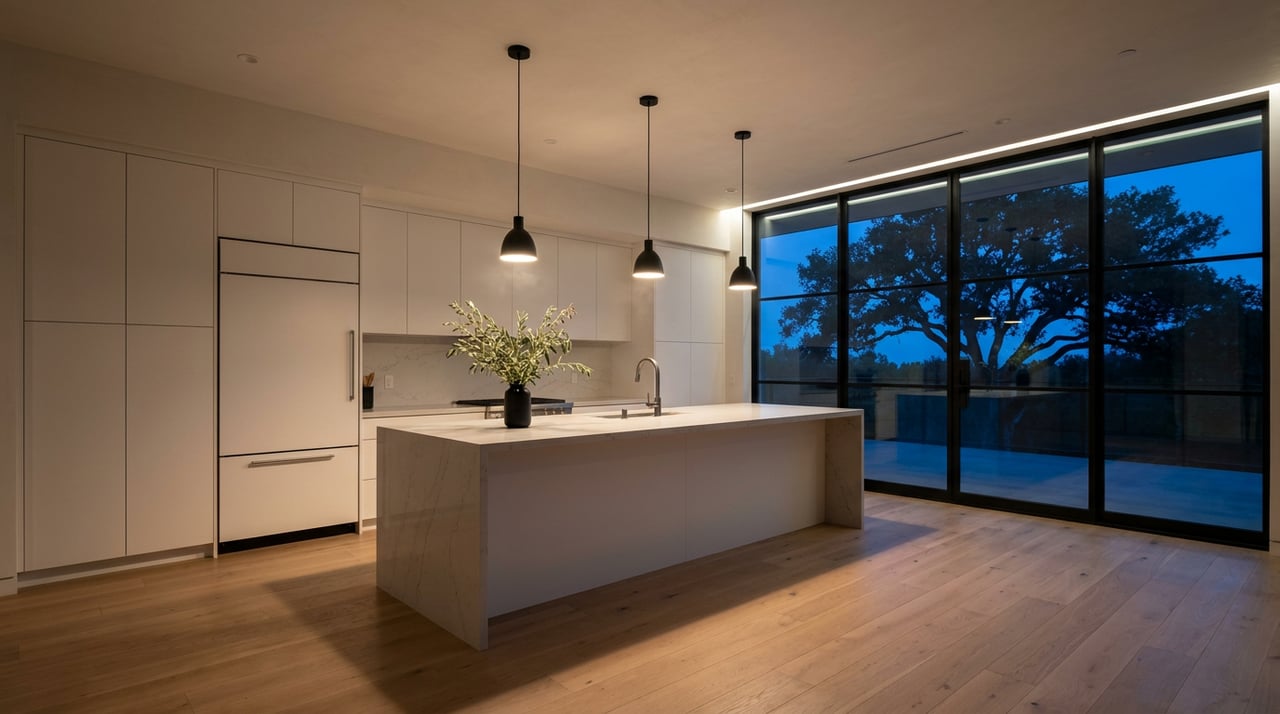
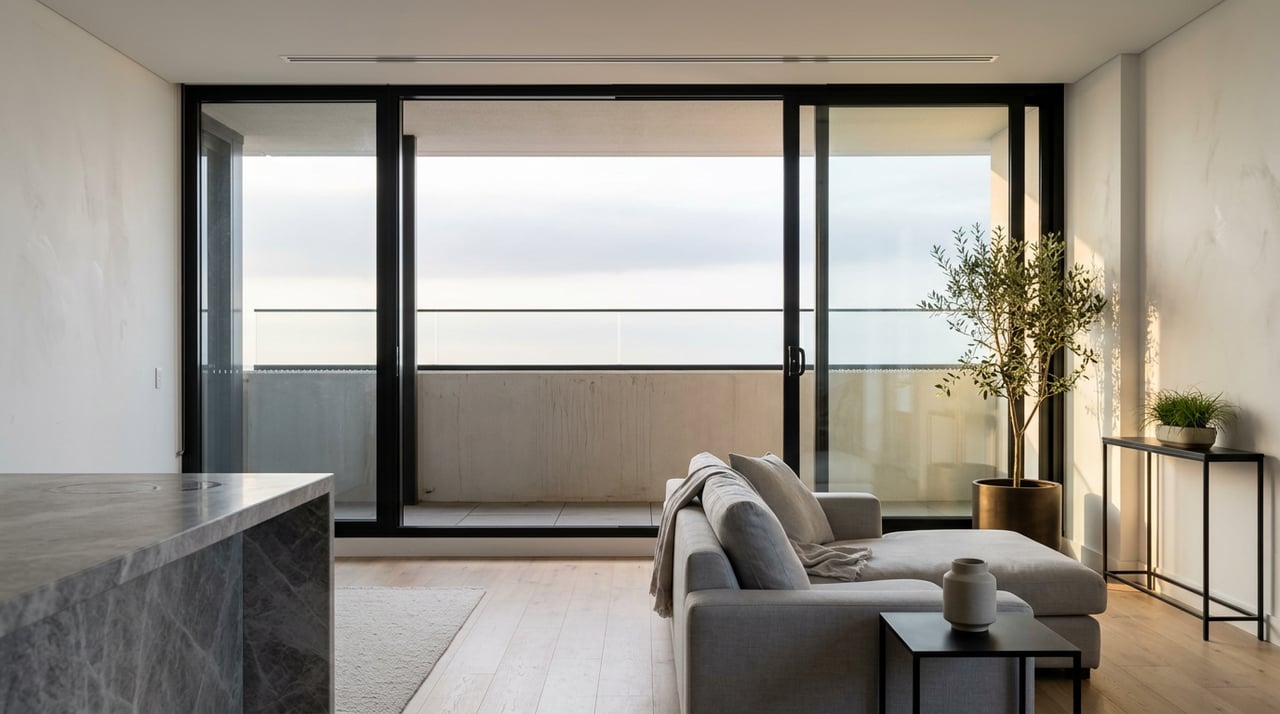
One of the first things buyers register is natural light. Redfin’s 2026 survey found that 44% of U.S. residents would choose a smaller home with more sunlight over a larger home with less, and 46% said sunlight was very important. That preference shows up clearly in Marina homes, where window placement, outlooks, and brightness can shape a buyer’s emotional response within minutes.
In practical terms, buyers tend to notice whether rooms feel cheerful and open or dim and closed off. A bright living room, a kitchen that catches afternoon light, or a bedroom with a clean and open outlook can leave a stronger impression than an extra few feet of square footage. In a neighborhood with many classic homes and flats, light often becomes a key differentiator.
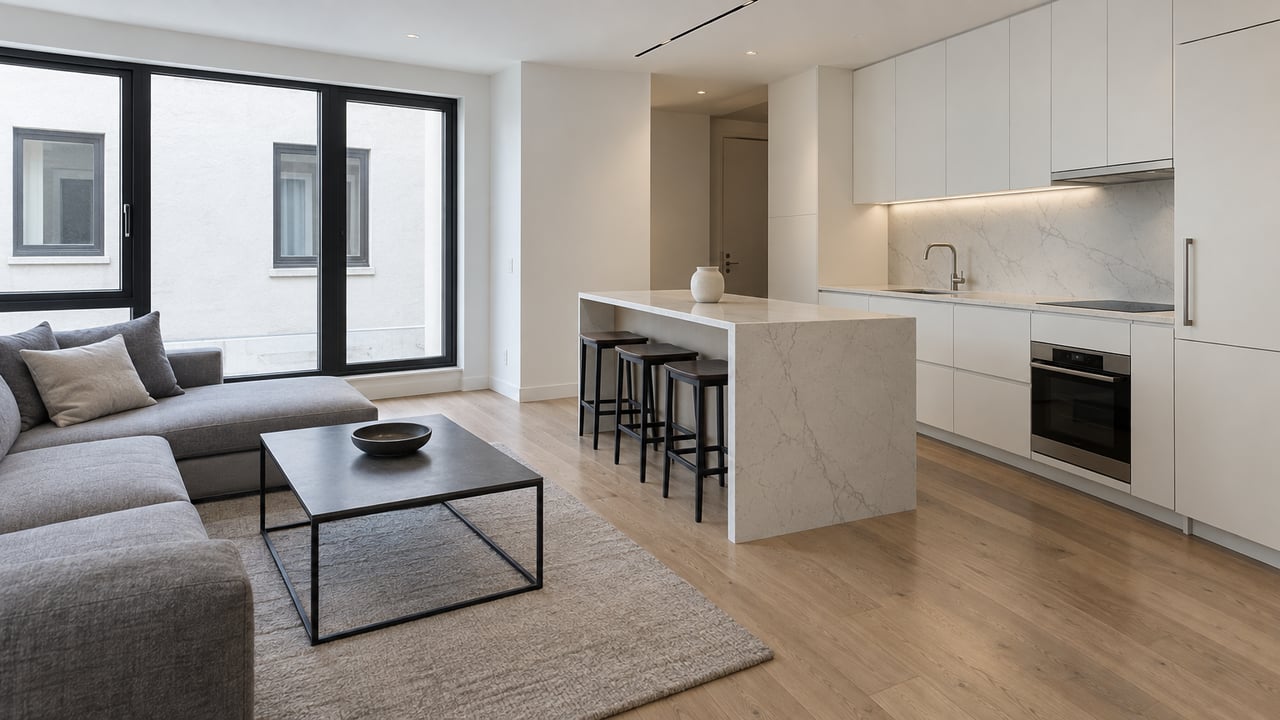
After light, buyers often focus on how the home lives. Redfin’s 2024 luxury-agent survey found that open-concept floor plans were desirable to 83% of agents, making open flow the top-rated overall home trend in that survey. In the Marina, that does not always mean removing every wall. It usually means the home should feel intuitive, connected, and easy to move through.
Buyers notice whether rooms make sense together. They pay attention to sightlines from the kitchen to the living area, how public and private spaces are separated, and whether awkward transitions interrupt the experience. In many older San Francisco homes, thoughtful flow can matter as much as finish level.
Most buyers start forming opinions before they ever schedule a showing. According to NAR’s 2024 Generational Trends report, photos were the most useful website feature for nearly nine in 10 buyers age 58 and under, while floor plans, virtual tours, and videos also ranked highly. NAR’s 2025 staging report also found that buyers’ agents consider photos, videos, and virtual tours highly important listing assets.
That means a Marina home needs to read well online. Buyers notice whether the photography captures light correctly, whether the floor plan is easy to understand, and whether the layout feels clear before they arrive. If the home looks confusing, dark, or cramped online, many buyers may never take the next step.
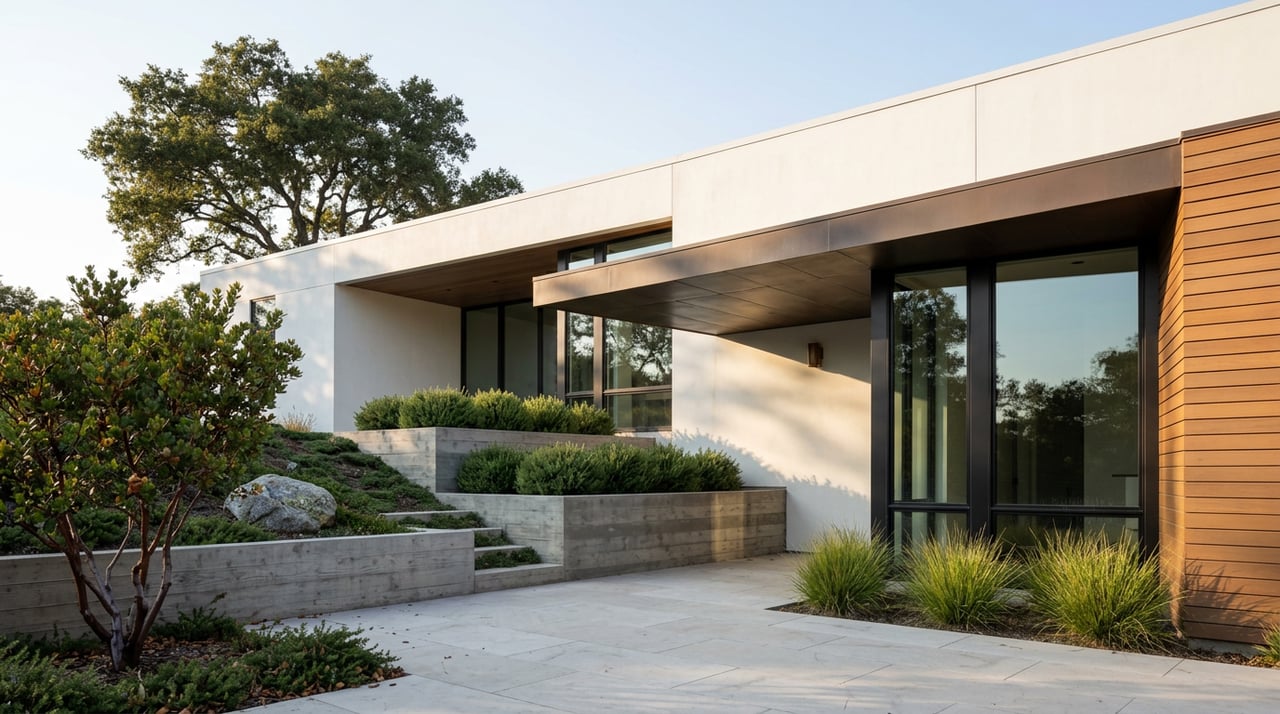
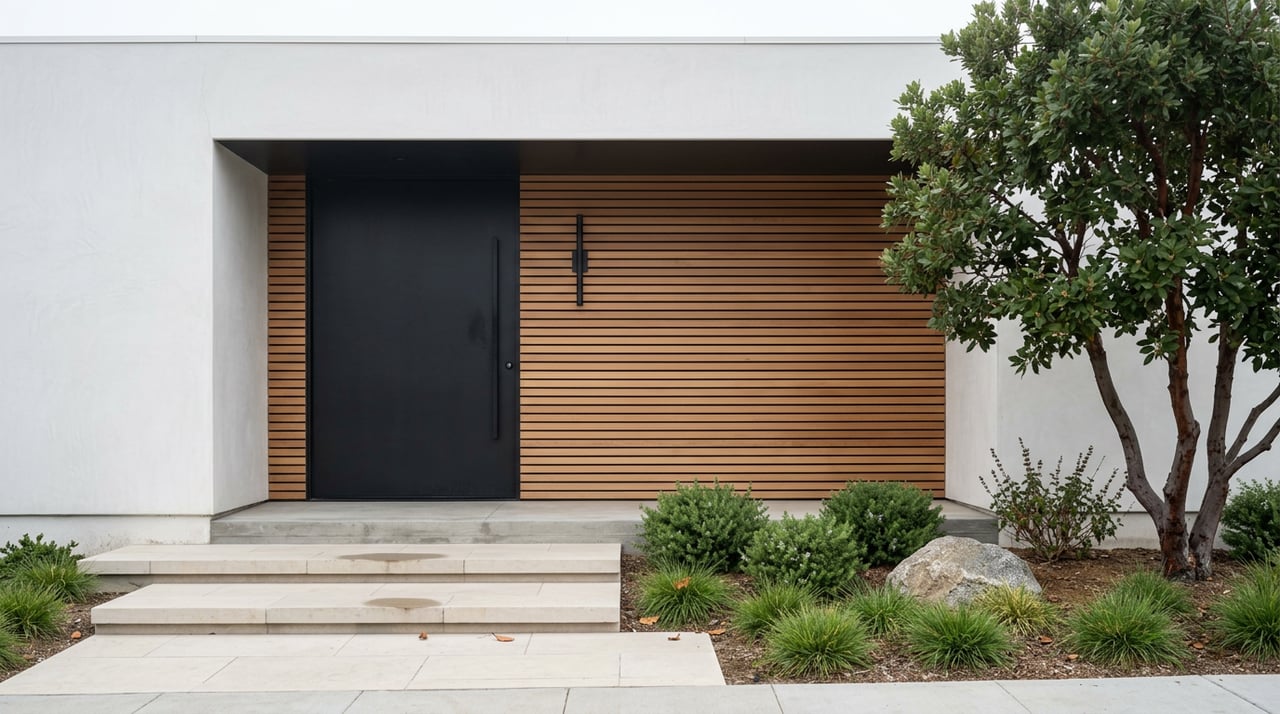
In the Marina, outdoor connection is more than a nice extra. With close access to the Marina Green, Fort Mason, and the Palace of Fine Arts, buyers often place real value on usable decks, terraces, yards, or even meaningful window outlooks. Redfin’s 2024 luxury-agent survey found that landscaping was a must-have for 69% of luxury buyers and indoor-outdoor living space for 58%.
That does not mean every property needs a large yard. Buyers are often responding to usability and lifestyle. A well-positioned deck, a tidy garden, a comfortable patio, or a living area that opens naturally to outdoor space can make a home feel much more complete.
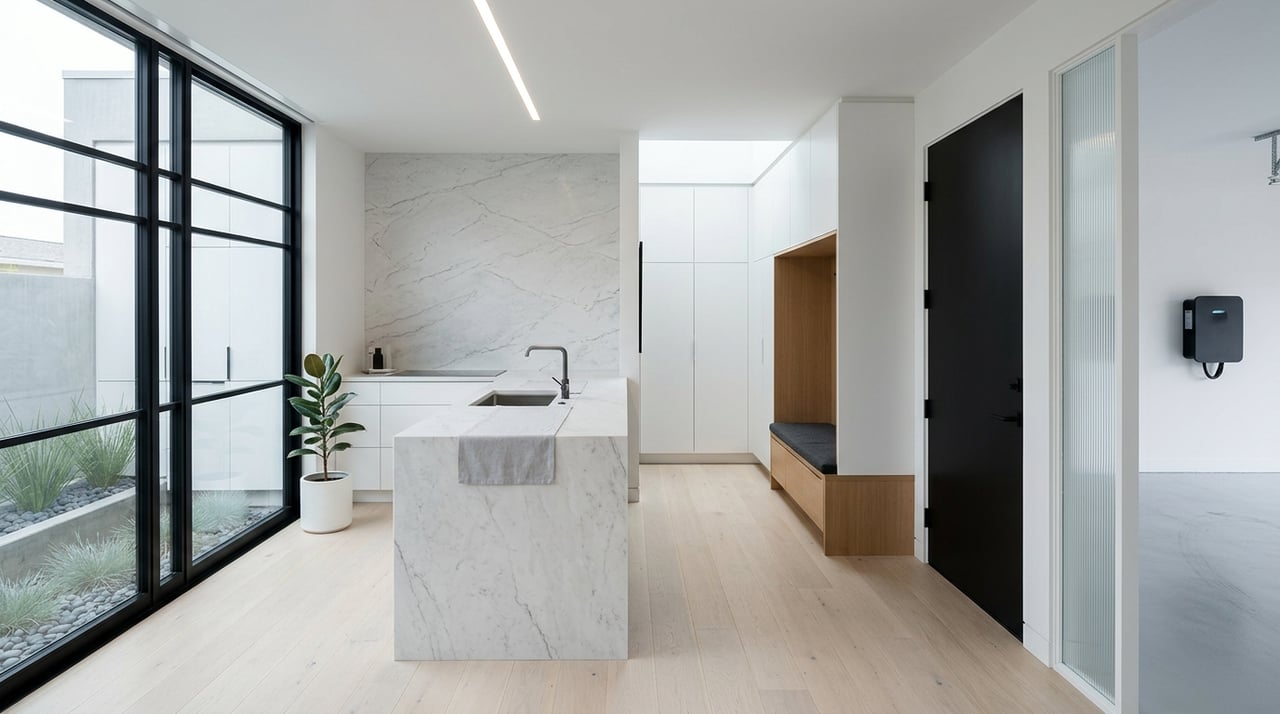
Parking and storage may not be the most glamorous features, but they are often among the most memorable. The Marina’s housing stock includes many older flats, apartment buildings, and homes on compact lots, so practical convenience can have outsized value. Buyers tend to notice quickly whether there is off-street parking, how easy the garage is to use, and whether everyday storage feels adequate.
NAHB consumer research continues to place garage storage high on buyer wish lists nationally. In the Marina, that preference becomes even more meaningful because space is often tighter and buyers are balancing charm with functionality. A clean, organized garage or smart built-in storage can quietly strengthen the whole value story.
Today’s buyers are often comparing renovated homes with properties that still need cosmetic work. Redfin’s 2024 survey found that more than half of homebuyers would be unlikely to make an offer on a home with an outdated kitchen. Outdated bathrooms, old appliances, obscure paint colors, outdated carpet, and popcorn ceilings also ranked as common turnoffs.
In the Marina, move-in ready usually does not mean over-designed. It more often means neutral finishes, functional kitchen and bath updates, and a clean overall presentation. Buyers notice when a home feels fresh, calm, and easy to personalize, and they also notice when it feels like a project.
In many neighborhoods, structural documentation is something buyers review later. In the Marina, it often moves up the priority list much earlier. The area’s geologic history continues to shape buyer questions, especially because USGS identifies the Marina among Bay Area liquefaction-prone zones, including areas with man-made landfill on what was once submerged bay floor.
USGS also documented severe settlement and liquefaction damage in the district during the 1989 earthquake, affecting foundations, streets, and utilities. As a result, buyers in the Marina are often especially alert to seismic retrofits, foundation work, drainage or waterproofing improvements, permit history, and engineering documentation. These details help buyers feel grounded in the property, not just attracted to it.
San Francisco’s mandatory soft-story retrofit program applies to qualifying wood-frame buildings with soft, weak, or open front wall lines. City plan documents reported that by February 2025, more than 4,655 buildings had completed the required retrofits, while 284 were still listed as non-compliant. Buyers may not know every technical detail of the ordinance, but they do notice whether a building has addressed known issues and whether records are easy to verify.
That is why documentation can become a competitive advantage. A seller who can clearly present retrofit work, permits, inspection records, and relevant reports often gives buyers something they want deeply in this neighborhood: confidence. In a fast-moving market, confidence can support stronger interest and cleaner decision-making.
Buyer attention to risk has grown more broadly as well. Zillow reports that more than 80% of buyers consider climate risks when purchasing a home, and that insurance cost can affect affordability. In the Marina, those questions tend to center less on wildfire and more on flood exposure, liquefaction history, and how the building has responded to seismic concerns.
For sellers, that means transparency matters. Buyers are not just evaluating finishes and floor plans. They are also asking whether the home feels well cared for, well documented, and well prepared for the realities of its location.
If you are preparing a Marina home for market, the highest-value improvements are often the most focused ones. NAR’s 2025 Profile of Home Staging found that 83% of buyers’ agents said staging made it easier for buyers to visualize a property as a future home, while 49% of sellers’ agents saw reduced time on market. The living room, primary bedroom, and kitchen were the most important rooms to stage.
The strongest preparation strategy usually highlights the features buyers already care about most:
NAR’s staging findings also point to simple but meaningful pre-market steps. Decluttering and deep cleaning remain among the most common seller recommendations, and selective paint, lighting fixes, curb appeal, and targeted kitchen or bath updates can go a long way. In the Marina, buyers are often looking for a home that feels both beautiful and reassuring.
Today’s Marina buyers are not just buying square footage. They are buying light, flow, livability, convenience, and confidence in the property’s condition. When those elements come together, a home tends to stand out more clearly in photos, in person, and in the final offer process.
For high-value Marina properties, thoughtful preparation and editorial-quality presentation can make a measurable difference. If you are considering a sale and want a tailored plan for positioning your home, schedule a 15-minute consultation with the CJ and Susan Team.
Stay up to date on the latest real estate trends.
We are local experts with a global reach, showcasing your property to the widest audience to achieve the highest possible price. High-touch, service-minded, and technology-driven, our representation and market presence go above and beyond all others. We look forward to helping you on your real estate journey.