Everyday Life In Mill Valley For Bay Area Buyers
June 18, 2026
June 18, 2026
Wondering what everyday life in Mill Valley actually feels like when you’re coming from elsewhere in the Bay Area? That question matters because Mill Valley is not a one-note town. Your daily routine can look very different depending on whether you choose a home near downtown, in the redwood-lined hills, or closer to the flatter edges near Highway 101. This guide will help you picture the rhythm of life here so you can focus on the areas that fit how you want to live. Let’s dive in.
Mill Valley is a compact city in Marin County, about 14 miles north of San Francisco, with a city footprint of roughly 4.8 square miles and a population of about 14,000. The city also serves as a center for a broader unincorporated Mill Valley area of more than 30,000 residents. Even in a small geographic area, the landscape changes quickly.
That physical setting shapes daily life in a real way. Creeks, marshes, redwood groves, forested hillsides, chaparral, bayfront open space, and ridgelines are part of the city’s defining character. Instead of one uniform neighborhood pattern, you get a series of micro-areas with distinct routines, access, and atmosphere.
If you want the most walkable version of Mill Valley, downtown is the clearest fit. The city describes downtown as a compact, walkable area of about 64 acres with boutiques, restaurants, galleries, and cultural venues. For many buyers, that means an easier rhythm for coffee runs, casual meals, errands, and meeting friends without getting in the car.
Lytton Square plays a big role in that day-to-day energy. The city describes it as a historic gathering spot for conversation and coffee, and downtown also hosts regular public events such as First Tuesday ArtWalks, Concerts in the Plaza, Comedy in the Plaza, and rotating art at Depot Plaza. If you like living somewhere that feels active but still small-scale, downtown often delivers that balance.
City improvements also continue to support the area’s pedestrian feel. Ongoing work on streets, sidewalks, sewer systems, and pedestrian safety is aimed at improving how cars, bikes, and pedestrians move through downtown. In practical terms, that reinforces downtown’s role as the most convenient hub for people who value a more connected daily routine.
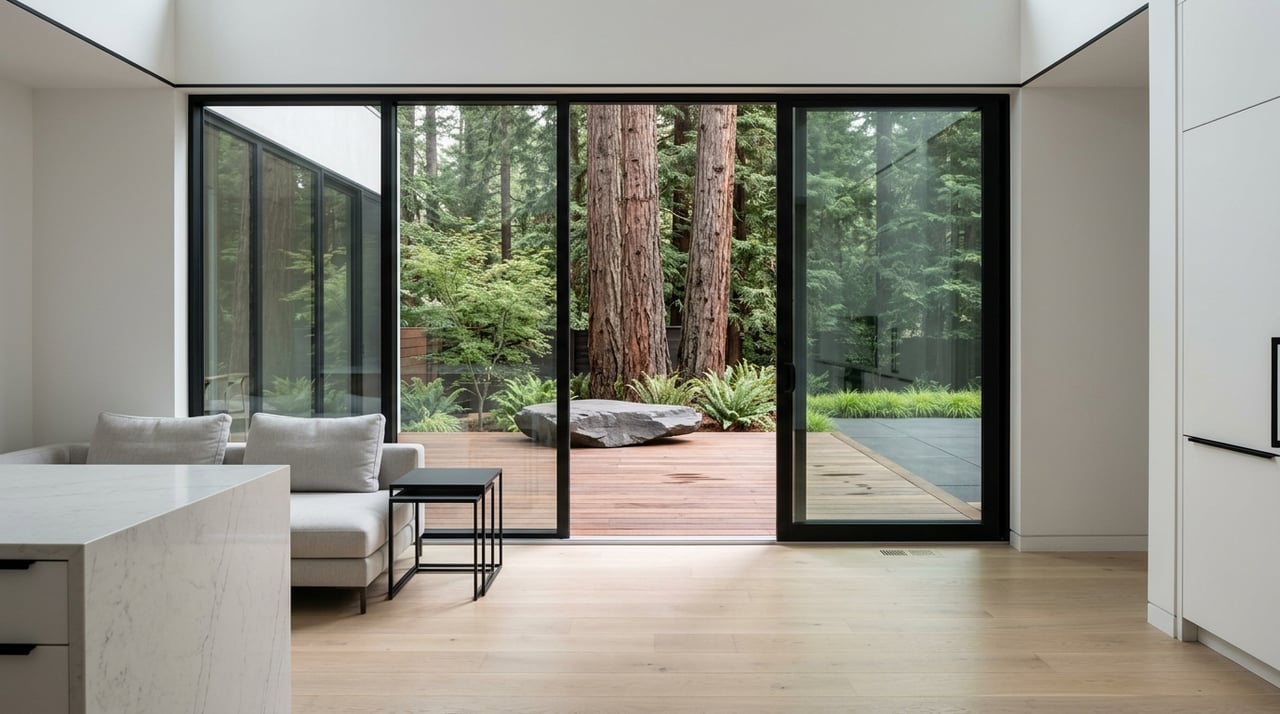
Some buyers come to Mill Valley for a very different reason. They want privacy, greenery, and a stronger connection to nature, even if that means less convenience. In the canyon and hillside areas, that tradeoff becomes part of the appeal.
The city’s land-use documents note that single-family neighborhoods sit in valleys and on hillsides, surrounded by steep, forested terrain, creeks, and redwood groves. In these parts of town, your surroundings can feel quieter and more secluded. The setting often becomes a central part of daily life, not just a backdrop.
Old Mill Park gives a good sense of this side of Mill Valley. Set within a redwood grove, it includes the historic Reed Mill, picnic and barbecue facilities, children’s play equipment, an amphitheater, and restrooms. Places like this help explain why many buyers describe Mill Valley as outdoorsy in a very lived-in, everyday way.
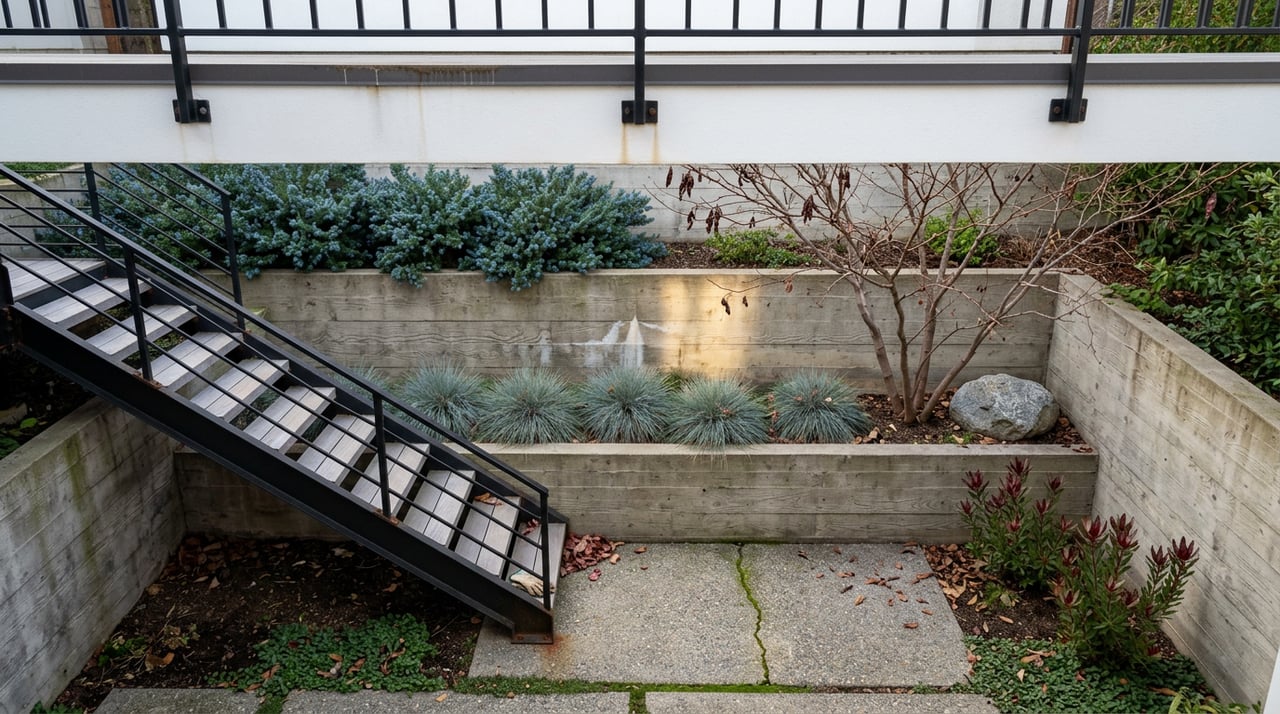
One of the more distinctive parts of Mill Valley living is the town’s network of steps, lanes, and paths. The city says there are more than 175 original steps, lanes, and paths, and it maintains an official inventory and evacuation map that treats those routes as part of neighborhood mobility and alternate exit planning. That tells you these pathways are not just scenic extras.
For buyers, this matters because hillside living often comes with steeper streets and more varied pedestrian access. A route that looks short on a map may include stairs or a winding lane. If you love character and trail-adjacent living, that can be a major plus. If you want flat, simple access, it is something worth evaluating early.
Mill Valley also works as a gateway to well-known outdoor recreation. Muir Woods National Monument is a few miles from Mill Valley and can be reached on foot via the Dipsea Trail. The monument includes 6 miles of trails, and the Dipsea Trail extends from Mill Valley to Stinson Beach.
For some buyers, that access becomes part of the weekly routine. Morning hikes, weekend trail time, and quick escapes into the redwoods are easier to build into life here than in many other Bay Area communities. If outdoor access is high on your list, this part of Mill Valley deserves a close look.
Not every Mill Valley address offers the same type of access. The southern and eastern edge areas tend to feel more commuter-oriented, with quicker connections to Highway 101 and regional transit. If you expect to travel regularly to San Francisco or elsewhere in Marin, that can make a meaningful difference in your day.
The city’s land-use materials note that Highway 101 runs along the eastern edge of the planning area and identify three freeway interchanges serving Mill Valley. These include the Mill Valley/Stinson Beach exit, the Redwood Highway Frontage Road and Seminary Drive interchange, and the East Blithedale and Tiburon Boulevard exit. Those access points help explain why some parts of town feel notably easier for regional mobility.
The Seminary Drive area also includes a Mill Valley park-and-ride lot at Highway 101. For buyers who want options beyond driving the full trip, that added flexibility can be useful. In some cases, choosing the right micro-area is less about square footage and more about how smoothly you can move through the week.
Transit is part of the story here, especially along the southern edge. Golden Gate Transit lists Route 114 as a Mill Valley to San Francisco commute bus effective April 12, 2026, while Route 120 provides Strawberry to San Francisco service every 30 to 60 minutes and serves Seminary and Manzanita Park & Ride. Marin Transit Route 17 links Downtown San Rafael, Strawberry, Mill Valley, Marin City, and Sausalito, with stops including Mill Valley Depot at Sunnyside and Miller.
Ferry access also supports some commute patterns. Golden Gate Ferry operates daily service between Sausalito, Larkspur, Tiburon, and San Francisco, and local transportation information notes ferry access from Larkspur and Sausalito. For Bay Area buyers, that means Mill Valley can support a mix of car, bus, and ferry routines depending on where you choose to live.
The shoreline-adjacent and flatter lowland areas offer another version of Mill Valley living. These parts of town generally feel more open and more directly connected to transit and shoreline recreation. If hills are not your preference, this can be an important part of your search.
The city’s parks information includes Bayfront Park, and Bothin Marsh and Bay Trail access is available near Miller Avenue and Almonte Boulevard. The Bay Trail is a planned 500-mile shoreline path around San Francisco Bay. In practical terms, that can mean easier biking, walking, and outdoor time on flatter terrain.
For buyers comparing daily routines, this area may feel more straightforward than the canyon neighborhoods. Access can be simpler, routes can be flatter, and the connection to regional transportation can be stronger. The tradeoff is that the setting feels different from the tucked-away redwood parts of town.
Outdoor life in Mill Valley is not limited to weekend plans. It shows up in parks, public spaces, and community facilities throughout town. The city’s park system includes Bayfront Park, Blithedale Park, Boyle Park, Downtown Plaza, Scott Highlands Park, Sycamore Park, and the city skate park.
Boyle Park includes tennis courts, baseball fields, picnic and barbecue facilities, restrooms, and children’s play equipment. Downtown Plaza includes benches, bathrooms, a café, and picnic tables. These spaces help create a lifestyle where outdoor time can be casual and frequent instead of something you have to plan far in advance.
The Mill Valley Community Center adds another layer to everyday convenience. Located 6.6 miles north of the Golden Gate Bridge, it includes event space, teen and senior centers, activity rooms, and a pool and fitness building with an indoor pool and retractable roof. Depending on your routine, that can become a regular part of how you use the town.
For a city of its size, Mill Valley has a notably visible arts presence. The city highlights First Tuesday ArtWalks, public art in Depot Plaza, Concerts in the Plaza, Comedy in the Plaza, and monthly exhibitions at City Hall and the Community Center. That keeps downtown active in a way that goes beyond shopping and dining.
If you want a town where civic life feels present, this matters. It creates more reasons to spend time locally and helps give downtown an identity as both a commercial and cultural gathering place. For many Bay Area buyers, that mix of small-town scale and regular programming is a big part of the draw.
Before you get too attached to a specific home, confirm whether the property is actually within Mill Valley city limits. The city notes that some addresses with a Mill Valley mailing address are outside the city limits, including Strawberry, Tam Valley, Homestead, Almonte, and Alto. That distinction can affect jurisdiction, services, and how an area is commonly understood.
This is especially important if you are relocating from another part of the Bay Area and assuming the mailing address tells the whole story. In Mill Valley, the boundaries can be more nuanced than they first appear. A careful, street-level review can help you match expectations with reality.
Mill Valley works best when you search by lifestyle, not just by price point or home style. If you want walkability and local energy, downtown stands out. If you want privacy and trails, the canyon and redwood neighborhoods often rise to the top. If commute efficiency matters most, the flatter southern and eastern edges may be the better fit.
That is one reason local guidance matters here. In a town where topography, access, and jurisdiction can shift the feel of daily life from one pocket to the next, it helps to have a clear picture before you make a move. The right fit usually comes down to how you want your ordinary Tuesday to feel, not just your weekend.
If you’re considering a move to Mill Valley or weighing which pocket of town best fits your routine, the CJ and Susan Team can help you evaluate the lifestyle tradeoffs with local, relationship-driven guidance.
Stay up to date on the latest real estate trends.
We are local experts with a global reach, showcasing your property to the widest audience to achieve the highest possible price. High-touch, service-minded, and technology-driven, our representation and market presence go above and beyond all others. We look forward to helping you on your real estate journey.